
Research suggests that practices like visualization, mindfulness, and breathwork can influence the neural and physiological systems involved in performance, helping athletes mentally rehearse skills, regulate pressure, and recover more effectively. That matters because when the brain is overloaded, distracted, or stuck in stress mode, performance can suffer.
At PurposeSoul® Athletics, we often say that your outer results are just a reflection of your inner work. To break through, you have to stop looking at mental training as a “bonus” and start seeing it for what it is: a scientific, high-impact area of conditioning that influences your game whether you’re aware of it or not.
If you’re like most athletes, you probably know the game is 90% mental, and you’ve probably heard of popular training tools, but what you may not completely understand is the why. Here is the deep-dive science on why mental tools like visualization, mindfulness, and cognitive conditioning aren’t just “nice to have”, but rather are the biological requirements for peak performance.
Visualization: Training the Brain into Mastery
You’ve probably heard of Michael Phelps’ “mental videotape.” Every night and every morning, he would visualize his perfect race in granular detail, even going so far as to imagine what he’d do if his goggles filled with water.
The science of Functional Equivalence tells us the reason this works isn’t magic; it’s a neurological principle. When you vividly imagine a specific movement, like a golf swing or a free throw, your brain fires the exact same neural pathways it uses when you actually perform that move.
Your brain basically can’t tell the difference between a real event and a vividly imagined one. By “dry running” your performance, you are physically strengthening the synaptic connections in your motor cortex. Research shows that “athletes with higher athletic achievement tend to have stronger imagery abilities.” Another study found that “the optimal dosage—ten minutes per session, three times per week, over 100 days—demonstrated the most robust effect.”
But it’s not just long term effects of mental imagery that matter. It’s important for you to keep in mind that whatever you’re thinking about is what your body is reacting to in real-time. This is why you might notice anxiety spike when you think about something, even though you’re completely safe in the moment. In another example, it’s why when you use a virtual reality headset or go on a ride that simulates an experience, your body will react, even though it’s not “real.”
Tips for visualization:
To get the most out of visualization, try the popular and effective PETTLEP model. Don’t just “think” about the game. Be specific by involving your physical state (e.g., wear your jersey), connecting to the environment (e.g., smell the grass), and going through it step by step in real time to make the simulation as realistic as possible.
- P – Physical
- E – Environment
- T – Task
- T – Timing
- L – Learning
- E – Emotional
- P – Perspective
Mindfulness: Training the “Locked In” System
Mindfulness is often described as “being present,” but for an athlete, it’s actually a high-level tool for emotional regulation. Think of it this way: You can’t correct your mindset if you’re not able to notice what’s going on as it’s happening. Secondly, the nonjudgmental way in which you notice what’s happening not only allows you to process it faster, but it also helps you learn to respond rather than to react. This is invaluable for helping you lock in and have a next play mentality.
PFC vs. Amygdala
In high-pressure moments, your amygdala (the brain’s emotional alarm) tries to hijack your body, triggering a “fight or flight” response. Mindfulness strengthens your Prefrontal Cortex (PFC), the part of the brain responsible for decision-making and focus.
By practicing mindfulness, you’re building a stronger connection between the PFC and the amygdala, essentially creating a “brake system” that keeps you calm and helps you lock back in when the game is on the line.
As one study put it, “Mindfulness has been shown to significantly influence athletic performance, not only by reducing psychological barriers such as anxiety and distraction, but also by facilitating the experience of flow, a state of optimal engagement and immersion in activity.” (Source: IJFMR)
It’s not just about “vibes.” In another study, university athletes who did five weeks of mindfulness training saw their “time to exhaustion” during endurance tests increase by an average of 56.5 seconds. It’s not that they suddenly got more fit; they trained their brains to handle the “conflict” of pain more efficiently.
For more on mindfulness for athletes, see these articles:
- What is athlete mindfulness?
- How Superstar Athletes Use Sports Mindfulness to Focus and Win
- Jayden Daniels Shares Winning Mindset Secret of Present Mindfulness
- Does mindfulness improve athletic performance?
- Mindfulness coaching for athletes
Mental Conditioning: Wiring Your Brain To Your Advantage
Evolution did us a bit of a disservice. To keep our ancestors alive, the human brain developed something called negativity bias, which is a hyper-focus on threats and mistakes. While that helped us avoid saber-toothed tigers, it’s a liability when you’re dwelling on a missed shot in the first quarter. It’s also important because it serves as a reminder that negative thinking is normal. However, you can train yourself to quiet what I call your “hater thoughts.”
Rewiring the Negativity Bias
The good news? Your brain is also naturally wired with something like neuroplasticity. Thanks to neuroplasticity, you can actually “rewire” your defaults. Every time you use positive self-talk or focus on a specific goal, you are physically building a new highway in your brain. The key, like any new habit or strength-training, is repetition.
Focus on Opportunities, and You’ll Find Them
You also have a built-in “personal assistant” called the Reticular Activating System (RAS). This network filters the millions of bits of data your brain receives every second. When you set a clear intention—like “finding the open lane”—your RAS starts filtering the environment specifically for that opportunity, making it more perceptible to you in real-time. It’s like my mentor George Mumford says, “you find what you’re looking for.”
Breathwork: Regulating the System Under Pressure
At PurposeSoul® Athletics, we believe you are a human, not a robot. This means you’re going to feel emotions like stress, and that’s normal. The thing is that your body doesn’t distinguish between “training stress” (a heavy lift) and “mental stress” (anxiety about a scout in the stands). Both trigger cortisol and your sympathetic nervous system, putting you into fight or flight. Breathwork is one of the most practical mental training tools athletes can use because it directly affects the nervous system.
Your breath is the only part of your autonomic nervous system that you can consciously control to change your internal state in seconds. Proper breathing mechanics improve CO2 tolerance, which is the body’s ability to handle increased carbon dioxide for more efficient oxygen delivery to muscles and the brain. However, proper breathing isn’t something that we typically think about in our athletic training. Consider the following studies:
- Dysfunctional Breathing is Common: In a study by The Journal of Strength and Conditioning Research, it was found that 91% of competitive athletes displayed dysfunctional breathing patterns. This can lead to premature exhaustion and increased injury risk.
- Nasal Breathing Boasts Benefits: Research highlighted in an article by UPMC suggests that nasal breathing and structured breath training may support sports performance by improving oxygen delivery, diaphragmatic breathing, focus, and stress regulation, while also helping athletes build greater carbon dioxide tolerance over time. The article also notes that these breathing methods may have benefits beyond performance, including lower anxiety and better sleep.
- Diaphragm Breathing Benefits: Diaphragmatic breathing may help athletes recover more effectively after intense exercise by lowering stress hormones like cortisol, increasing melatonin, and improving the body’s antioxidant defense response. In this study, athletes who practiced diaphragmatic breathing after exhaustive exercise showed lower oxidative stress, suggesting this kind of breathing may help protect the body from some of the long-term strain linked to heavy physical stress.
- Impact of Mouth Breathing: Research suggests mouth breathing can have negative effects on health and performance, including bringing in air that is less filtered, humidified, and temperature-regulated, increasing water and carbon dioxide loss during exercise, and contributing to less efficient, more tiring upper-chest breathing.
Diving even deeper, according to this study, respiratory rate can shape performance in more ways than most athletes realize. That’s because the way an athlete breathes may influence how well oxygen gets to the muscles, how efficiently carbon dioxide is cleared, how steady the heart rate stays under pressure, and how well the athlete can stay locked in mentally during performance.
According to the review, breathing rate may impact athletic performance by influencing:
- Oxygen delivery: Breathing rate helps determine how much oxygen reaches working muscles during exercise, which matters for output and endurance.
- Carbon dioxide elimination: It also affects how efficiently the body clears carbon dioxide during exercise, which plays a role in maintaining balance and supporting performance.
- Heart rate regulation: The review notes that breathing patterns can influence heart rate, which may help athletes stay more regulated and less overwhelmed under stress.
- Concentration and focus: Controlled, rhythmic breathing may also support better attention and mental steadiness during training and competition.
Building Your Mental Conditioning Training Plan
Whether it’s LeBron James using meditation to clear his mind or Kobe Bryant using mindfulness to maintain his “Mamba Mentality,” the best in the world know that the mind is the primary driver of the body.
Mental conditioning not only improves your performance, but it also influences how you respond to life outside of sport as well. At PurposeSoul® Athletics, our founder and mental health and mental performance coach, Misty Buck, believes in personalized mental training plans rooted in mindfulness that allow individuals to co-create a toolkit that works best for them.
Request a free introductory session to learn more about our programs.
Disclaimer: This article is for informational purposes only.
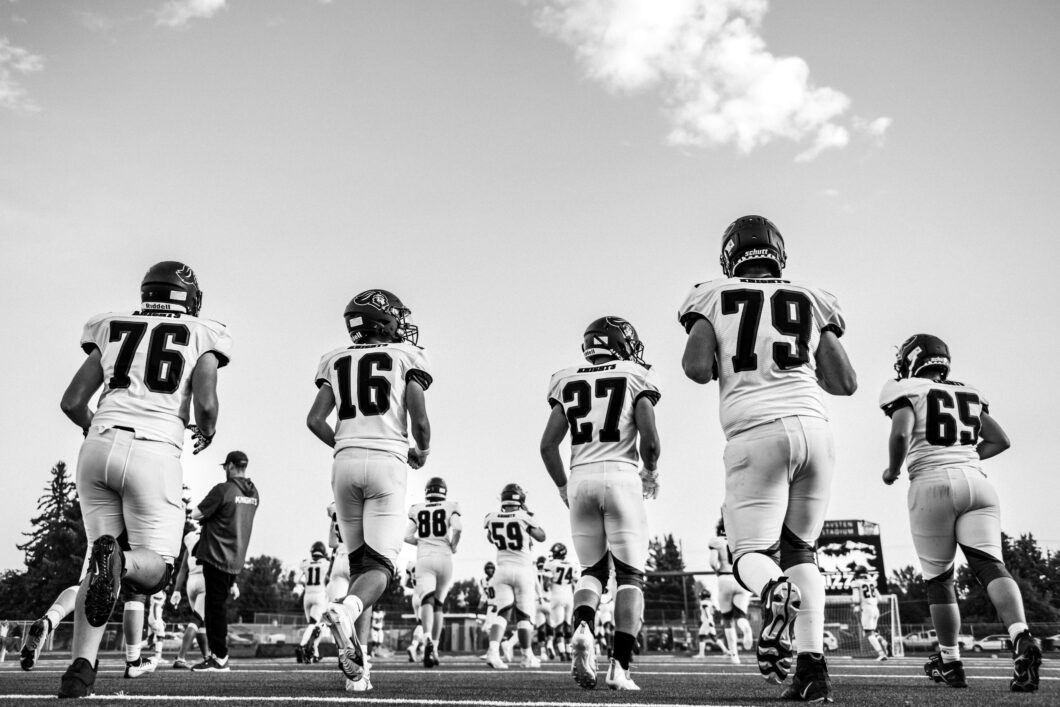
Photo by Tim Mossholder on Unsplash